
RECORDING SESSIONS
Voices and performances
Recording sessions with Italian and international actors, voice artists and other professionals, shaping the method and workflow around each voice, performance and production.
SOUND
Before it became a profession, sound was a way of understanding how technique, sensitivity and responsibility can work together.
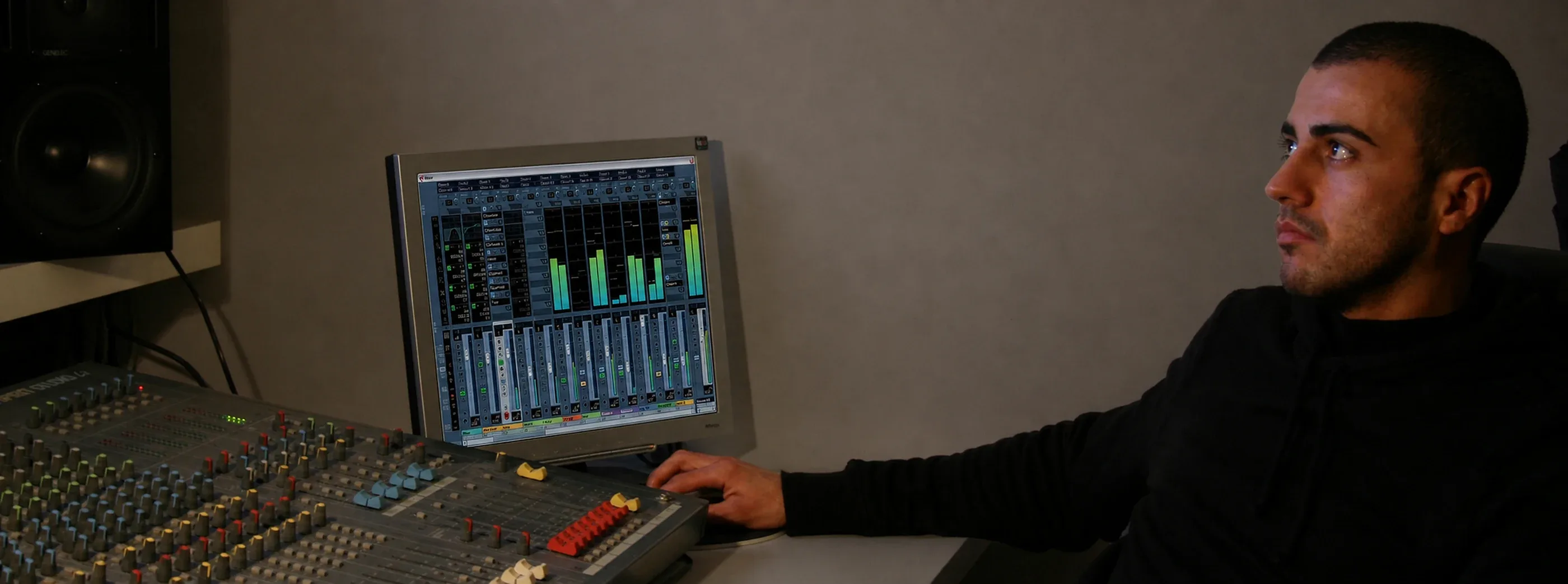
FROM MUSIC TO SOUND
Music was already an active part of my life: I was DJing, searching for records and putting together sets. But at a certain point, playing and mixing other people's music was no longer enough. I wanted to make records of my own and truly understand how the music I heard was made. That desire led me to study sound engineering: the path of a signal, the choice of a microphone, the balance of a mix, and the way electronics, acoustics and intention come together as a single experience.
I had the opportunity to join the crew of a cruise ship as a DJ for the first time. I thought it would be a one-off experience. In reality, the path I had begun so that I could produce my own music started to grow into something broader on board: my passion for music and my technical training began to come together in my work.
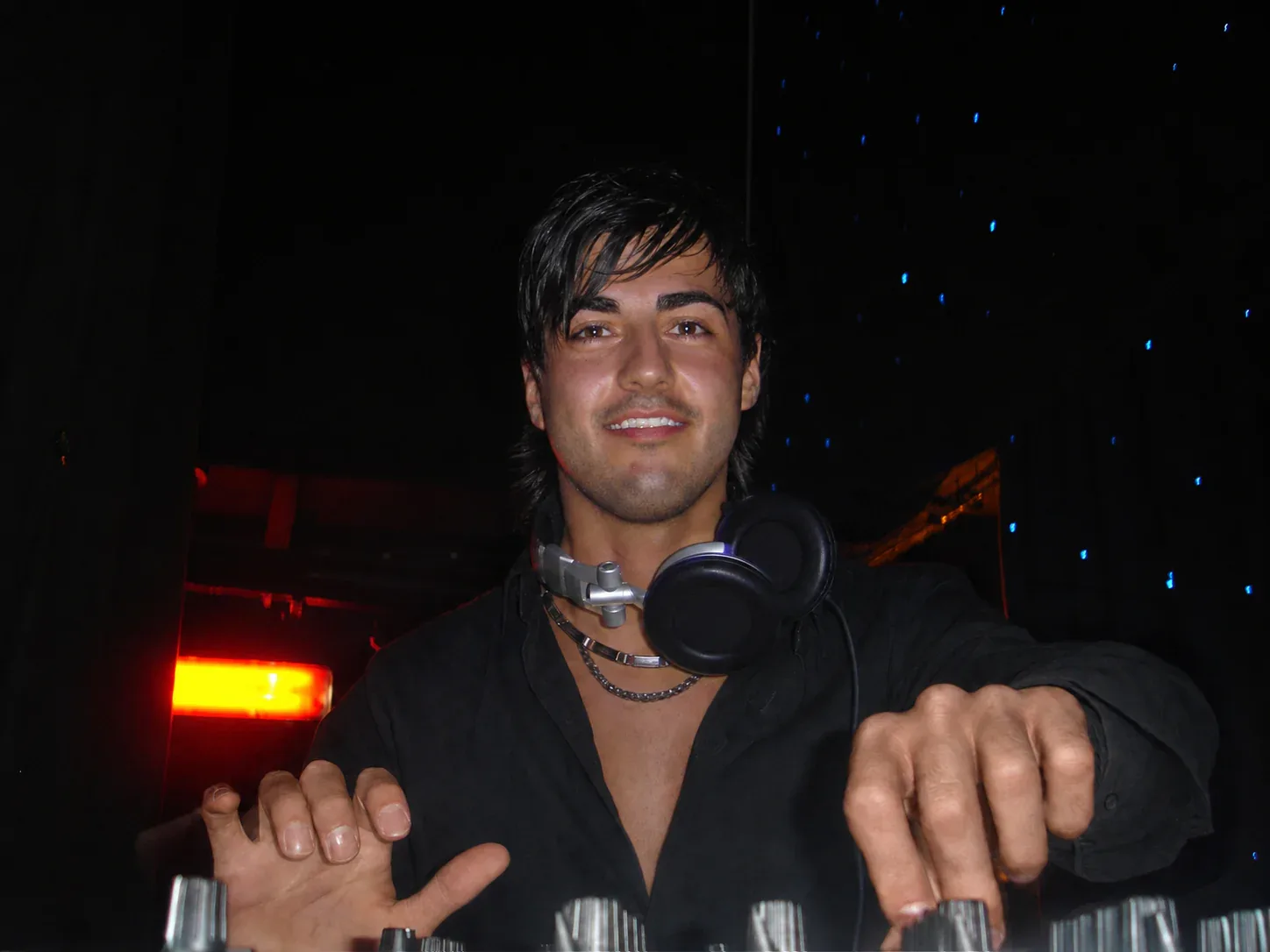
LIVE / ON BOARD
Even as a DJ, I often found myself wherever there was a problem to solve. On a large ship, with many spaces and systems dedicated to entertainment, unexpected issues were part of everyday life. To me, they were an invitation to understand what was happening, step in and get things working again.
Entertainment on board never stopped. Every day brought technical and artistic rehearsals, two performances, and systems that had to remain ready across the theatre, nightclub, lounges and other entertainment venues. Audio, lighting and video had to work together.
That approach was noticed and, on a later contract, I returned as Head Technician / Stage Manager. I coordinated a small team and was technically responsible for the shows and entertainment systems. The responsibility was greater, but I continued to listen to and learn from colleagues with more experience.
That is where I understood that solving a problem is not only about knowing the equipment. It means staying calm, recognising priorities and enabling everyone else to do their work well.
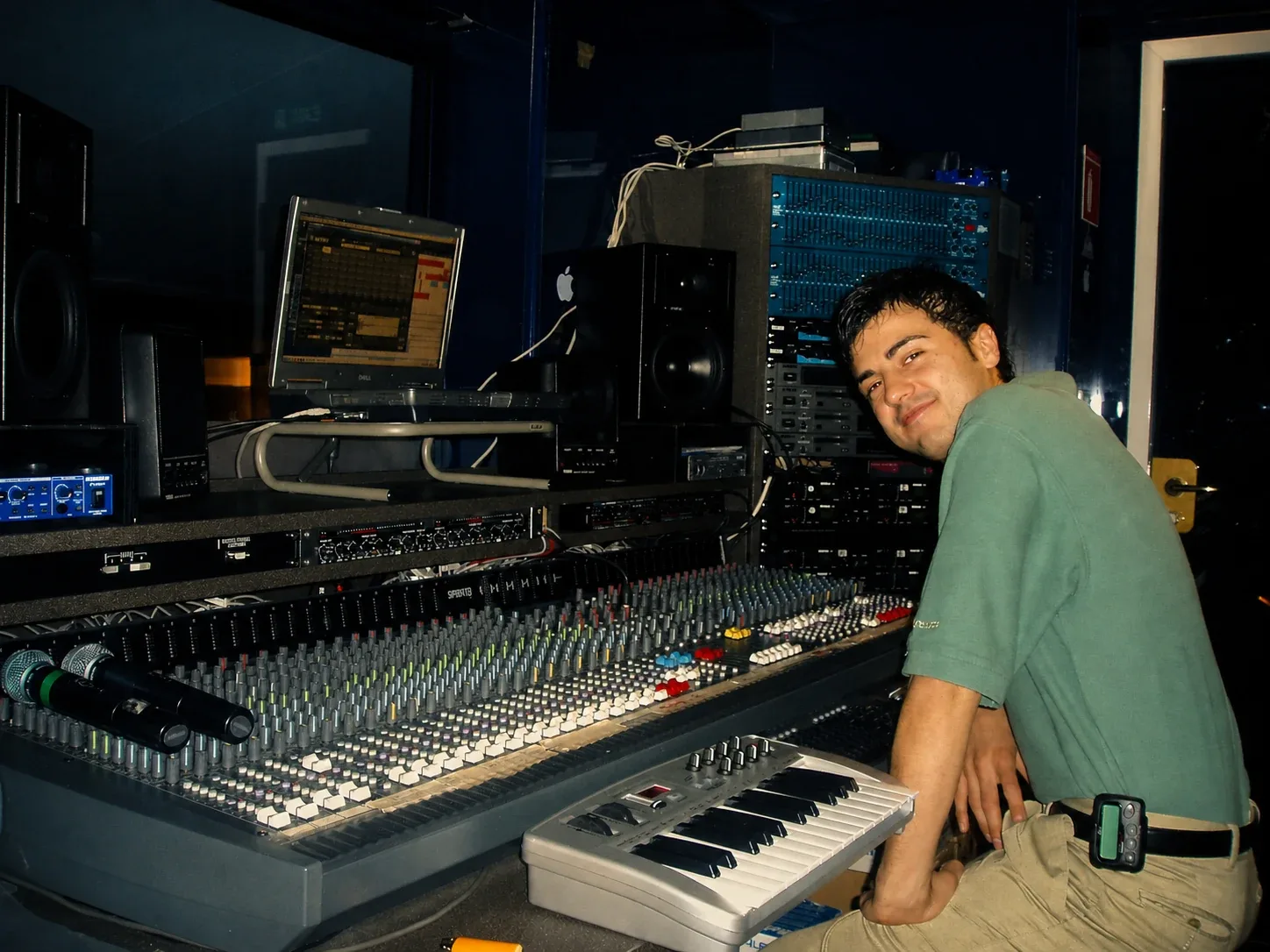

THE STUDIO YEARS
A friend I met during my studies later moved to Rome to work at Cat Sound International. He strongly encouraged me to join him because he believed in my abilities and saw a place for me in that world. That trust led to six years of working together at Cat Sound.
Every project required something different. Sometimes the job was a clean, precise recording. At other times it involved editing, synchronisation, sound design, mixing or final delivery. The point was not to apply the entire process every time, but to understand what the work genuinely needed: in some cases, capturing a voice well was enough; in others, we had to build the entire sound world of a few seconds from the ground up.
We were a small team, and the volume of work required consistency, communication and constant attention to detail. Television and radio commercials, sessions with actors and voice artists, international material and telephone voice services called for different approaches, but demanded the same precision.
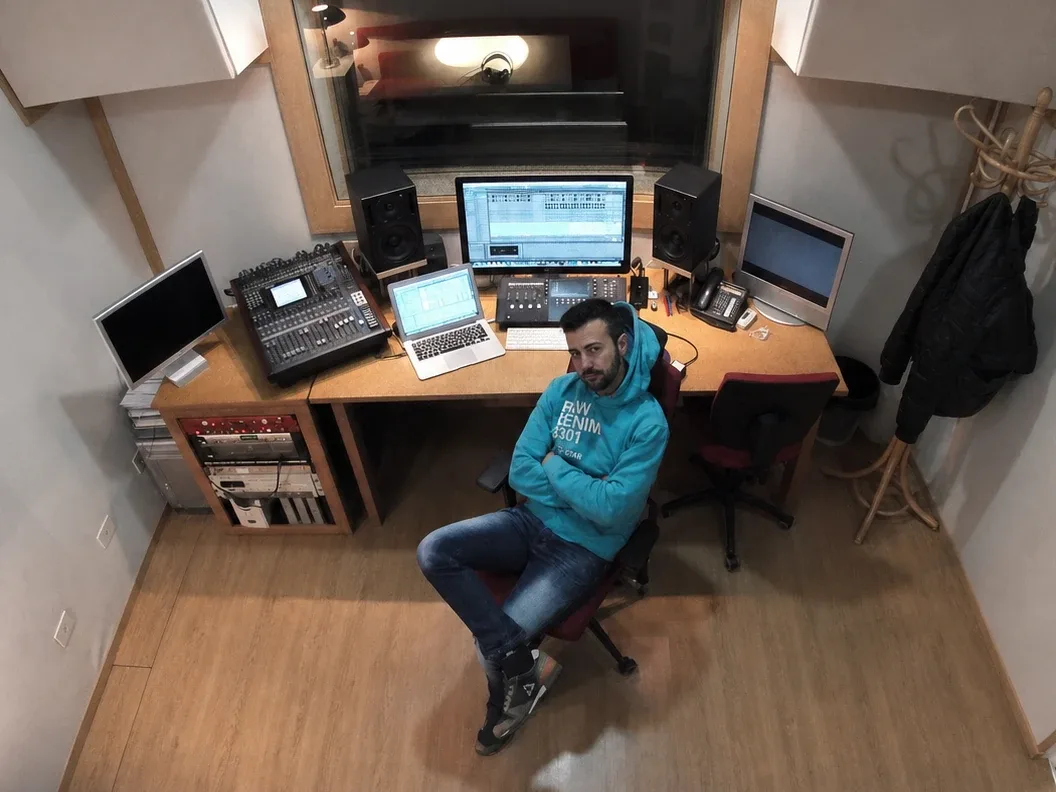
SELECTED WORK
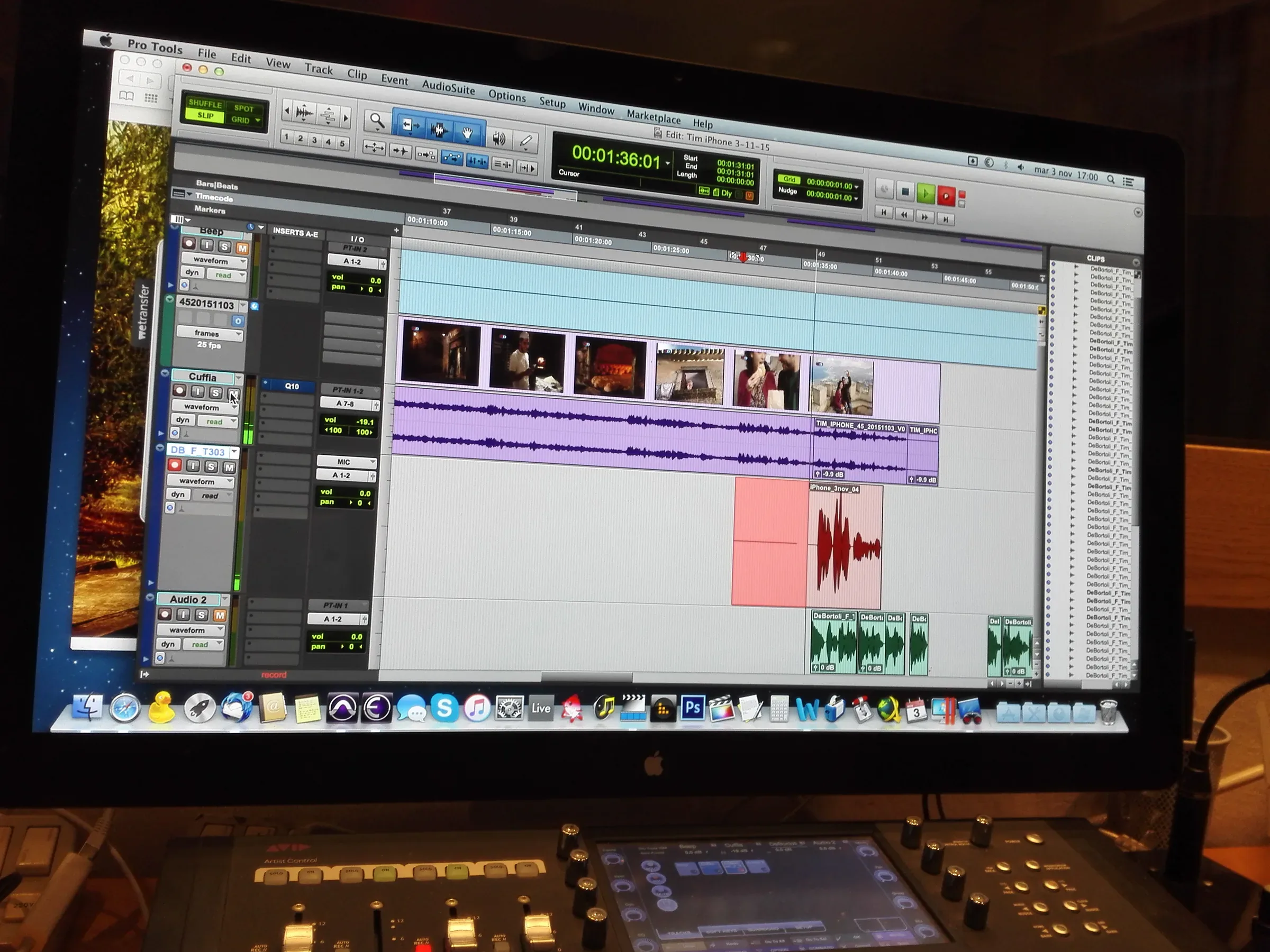
Advertising audio has very little time to explain itself: in just a few seconds, a voice, an atmosphere or a single detail must find its place immediately. In video commercials, sound supports the images without overpowering them; in radio commercials, it has to create the atmosphere on its own and make the listener imagine what cannot be seen. Sometimes the same campaign included both versions, united by the same theme but adapted to two different media.
Over six years at Cat Sound, I contributed to a broad range of campaigns, commercials and audio materials for Italian and international brands. Apple, Enel, TIM and Poste Italiane are only a few examples, not a complete list. Much of this work took shape in sessions with actors and voice artists: I recorded the voices and, depending on the project, went on to handle synchronisation, editing, sound design, music integration, mixing and final delivery.
Voice prompts for telephone services were a different area, but demanded the same ability to turn directions and intentions into a clear, coherent result ready to be heard outside the studio.
RECORDING SESSIONS
Recording sessions with Italian and international actors, voice artists and other professionals, shaping the method and workflow around each voice, performance and production.
TV / RADIO ADVERTISING
Campaigns and audio materials for Italian and international brands, with a contribution that could include recording, synchronisation, editing, sound design and mixing: a representative selection from a much broader body of work completed at Cat Sound.
VOICE SYSTEMS
Recording, editing and final delivery of IVR prompts for telephone operators and services, including Wind: less visible work in which clarity, continuity and precision were essential to every message.
VOICES / PEOPLE
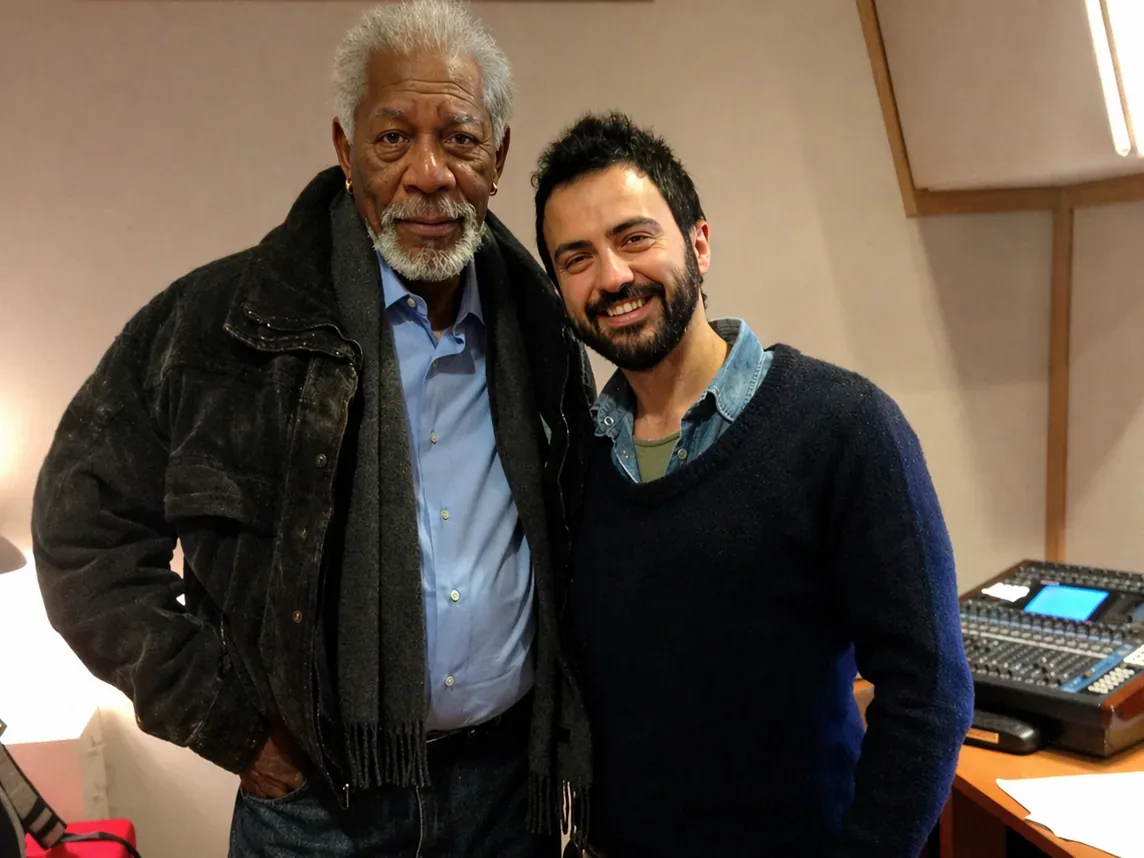
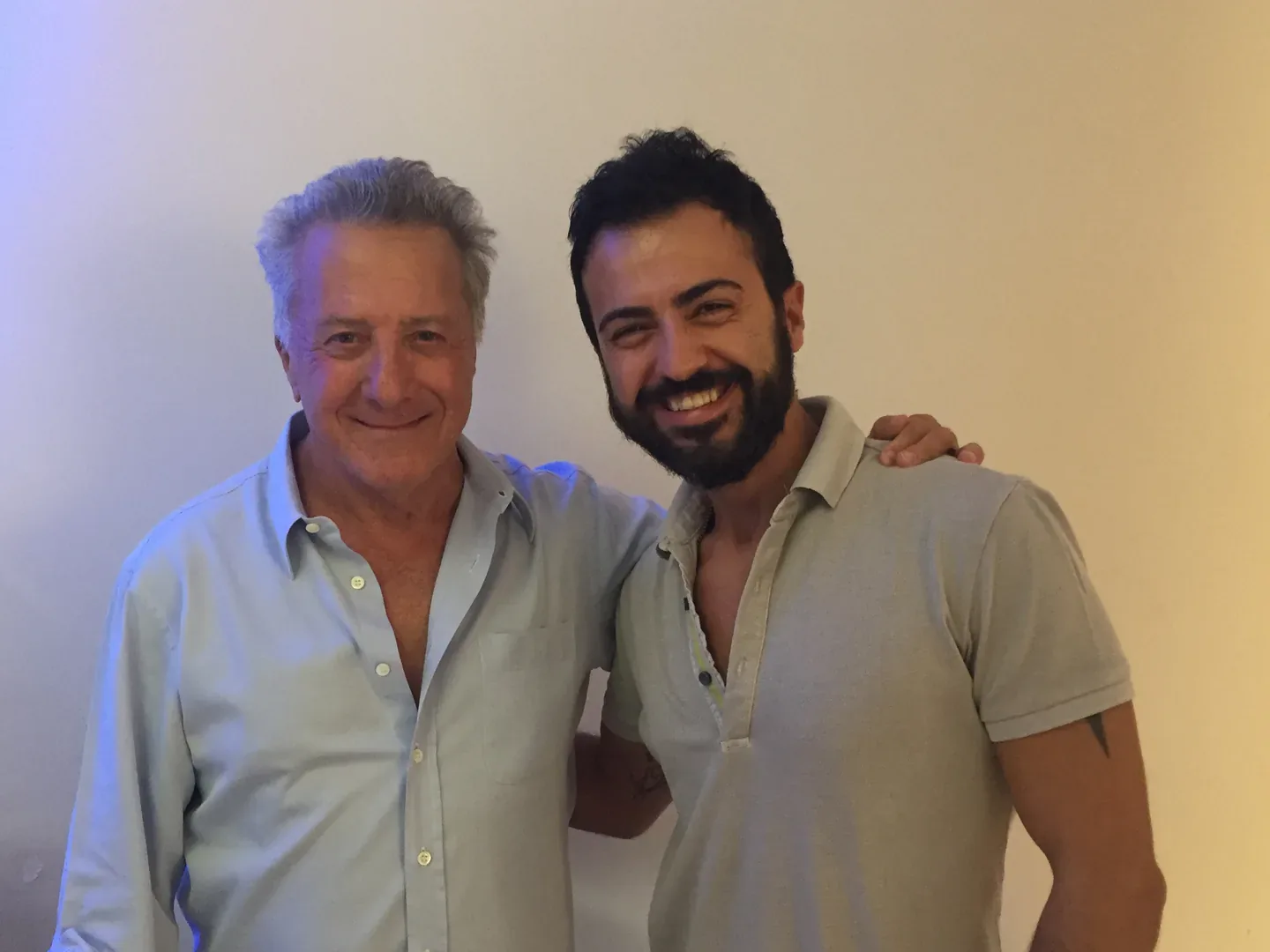
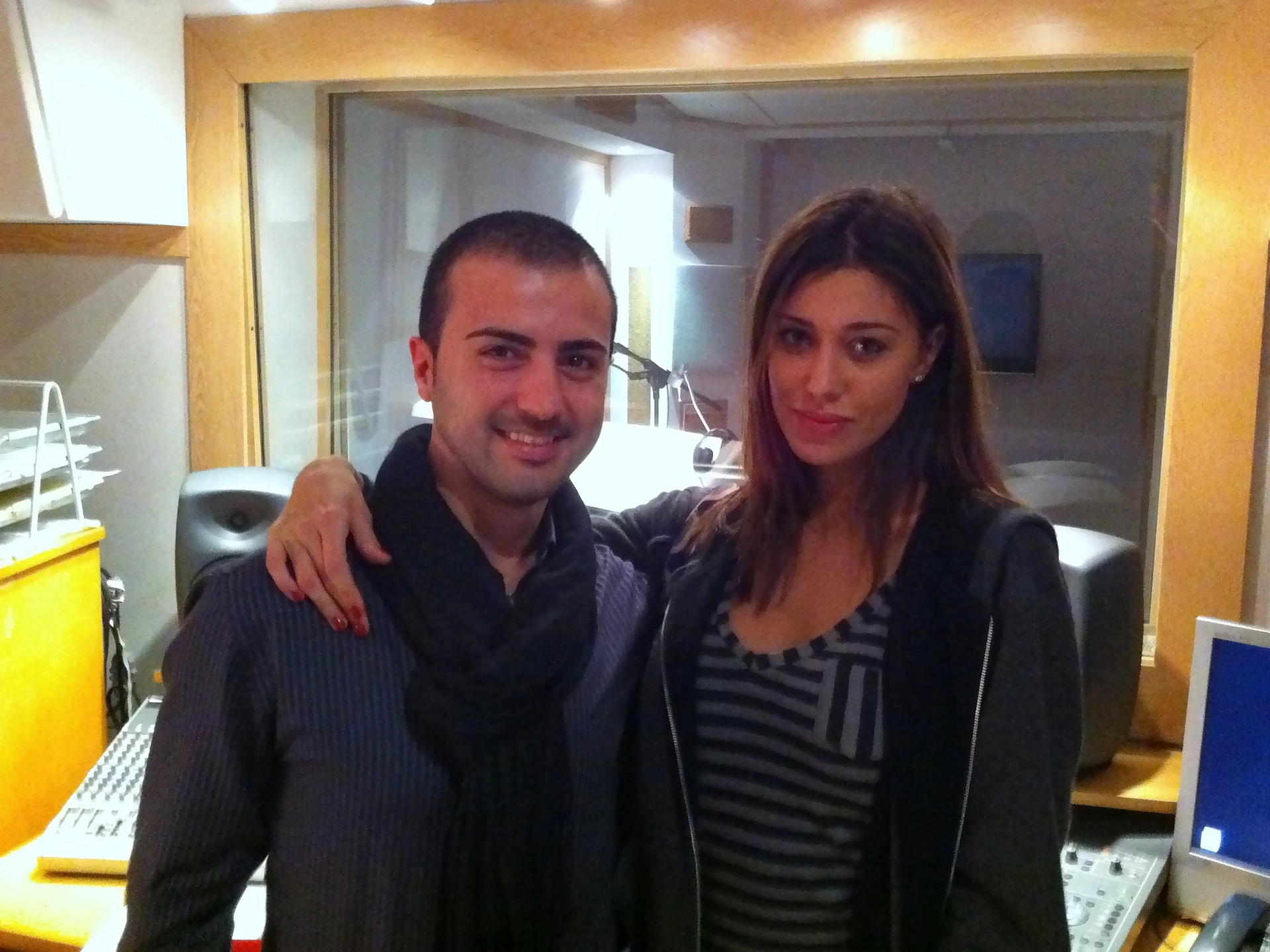
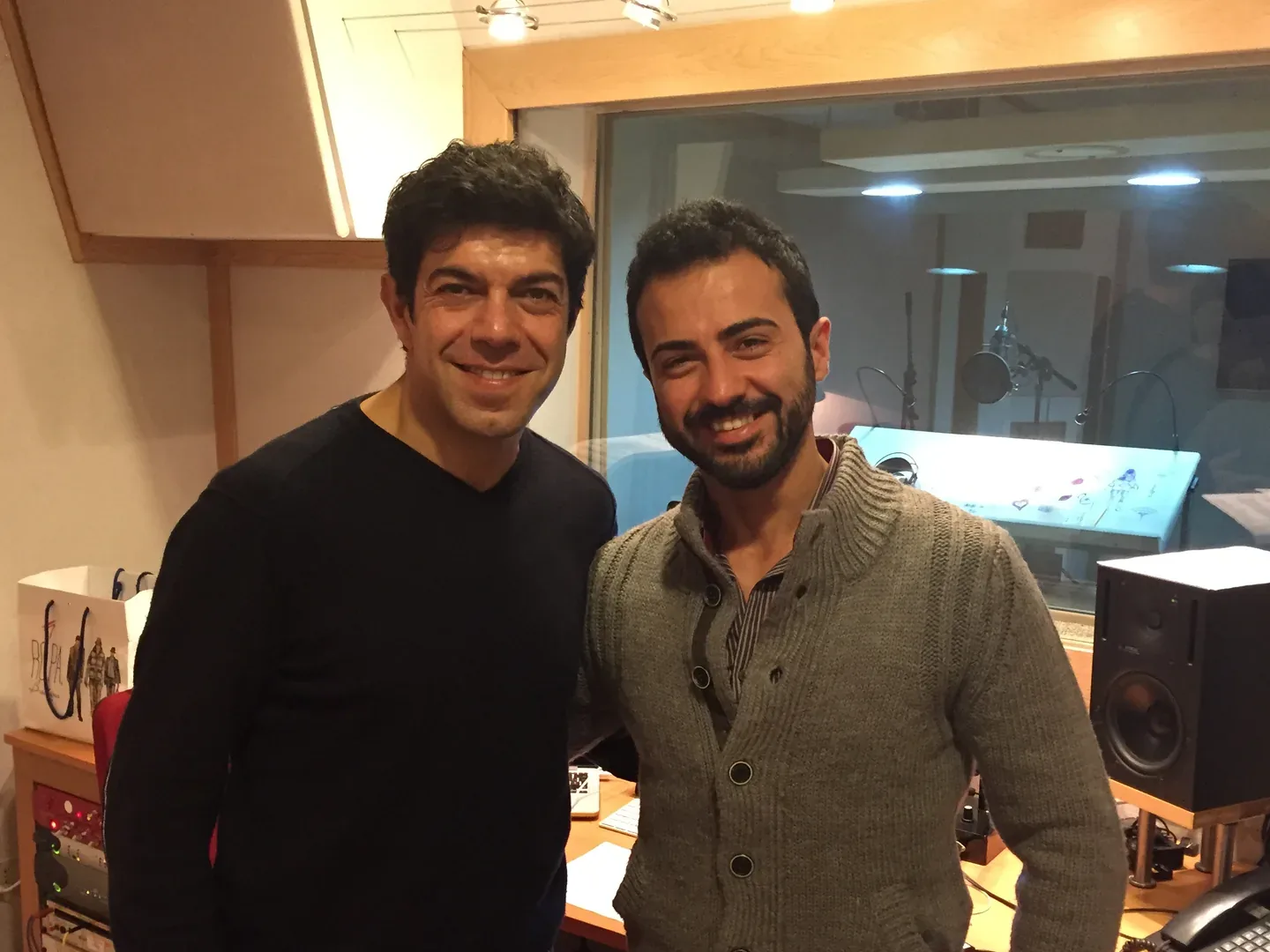
The studio gave me the opportunity to meet Italian and international actors, voice artists and other professionals. Whether or not someone was famous, the work demanded the same attention: in front of a microphone, what mattered was listening, trust and creating the conditions for someone to perform at their best.
One of the encounters I remember most warmly was with Morgan Freeman. After an initial session, he returned one or two weeks later, on a Saturday when the studio was normally closed, and specifically asked to work with me again. What makes that memory important to me is not his fame, but the trust behind such a simple request.
That experience showed me how naturally talent, simplicity and humility can coexist.
METHOD
Sound design taught me to observe before adding, to distinguish what is necessary from what merely fills space, and to treat every detail as part of a larger whole.
It also taught me something about my own limits: waiting for the perfect idea can prevent you from starting. Over time, I learned to create a first version, listen back, refine it and carry it through. Precision does not come from standing still, but from a sequence of conscious decisions.
That method stayed with me as my work moved into other fields: understanding the system, identifying what was not working and shaping a practical solution.
CONTINUITY
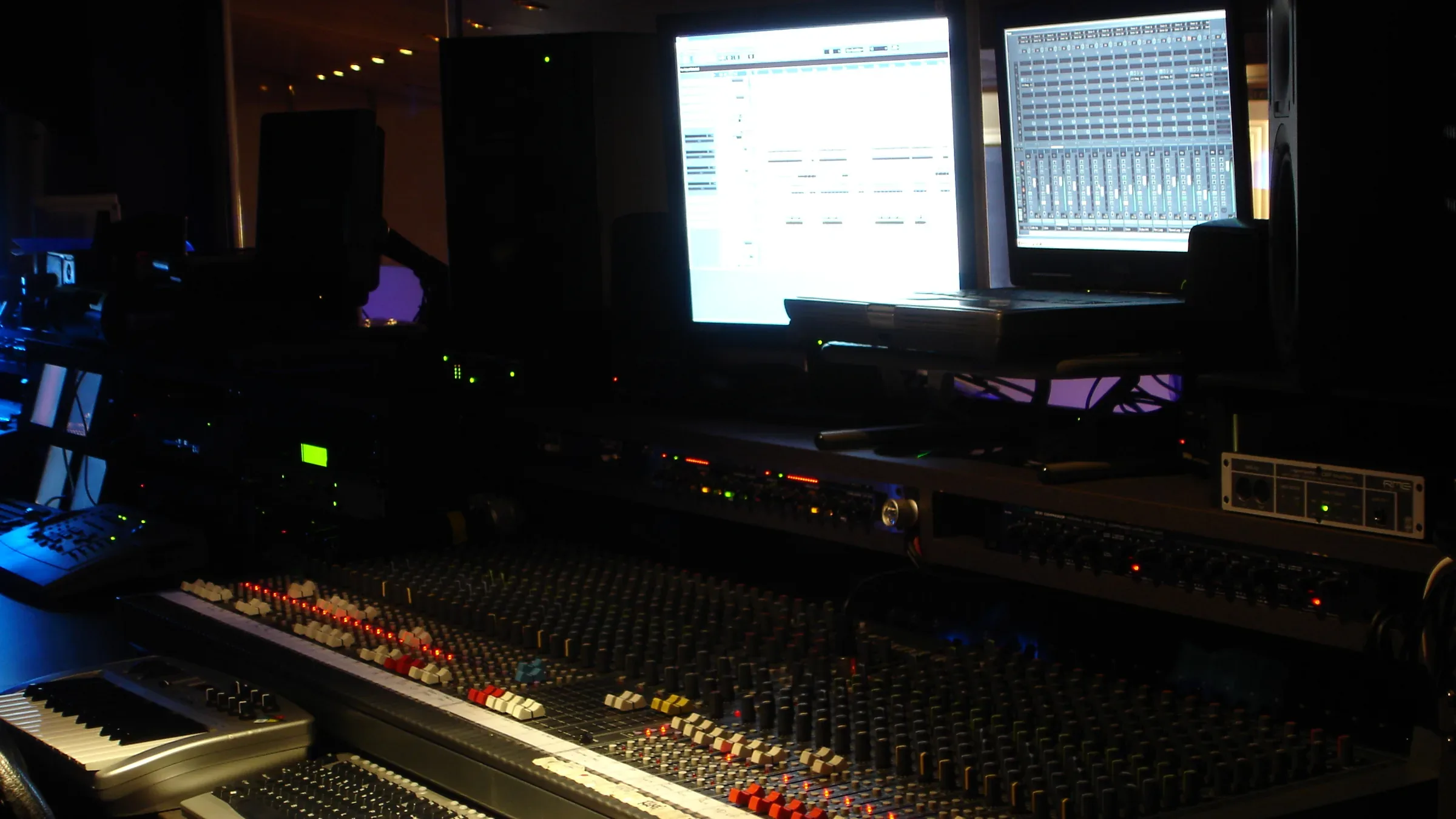
I no longer work in a studio every day, but sound is not a closed chapter. It taught me to listen before acting, to look for the cause behind a problem and to recognise how often quality depends on details that cannot be seen.
The tools and the context have changed. That way of working has remained.